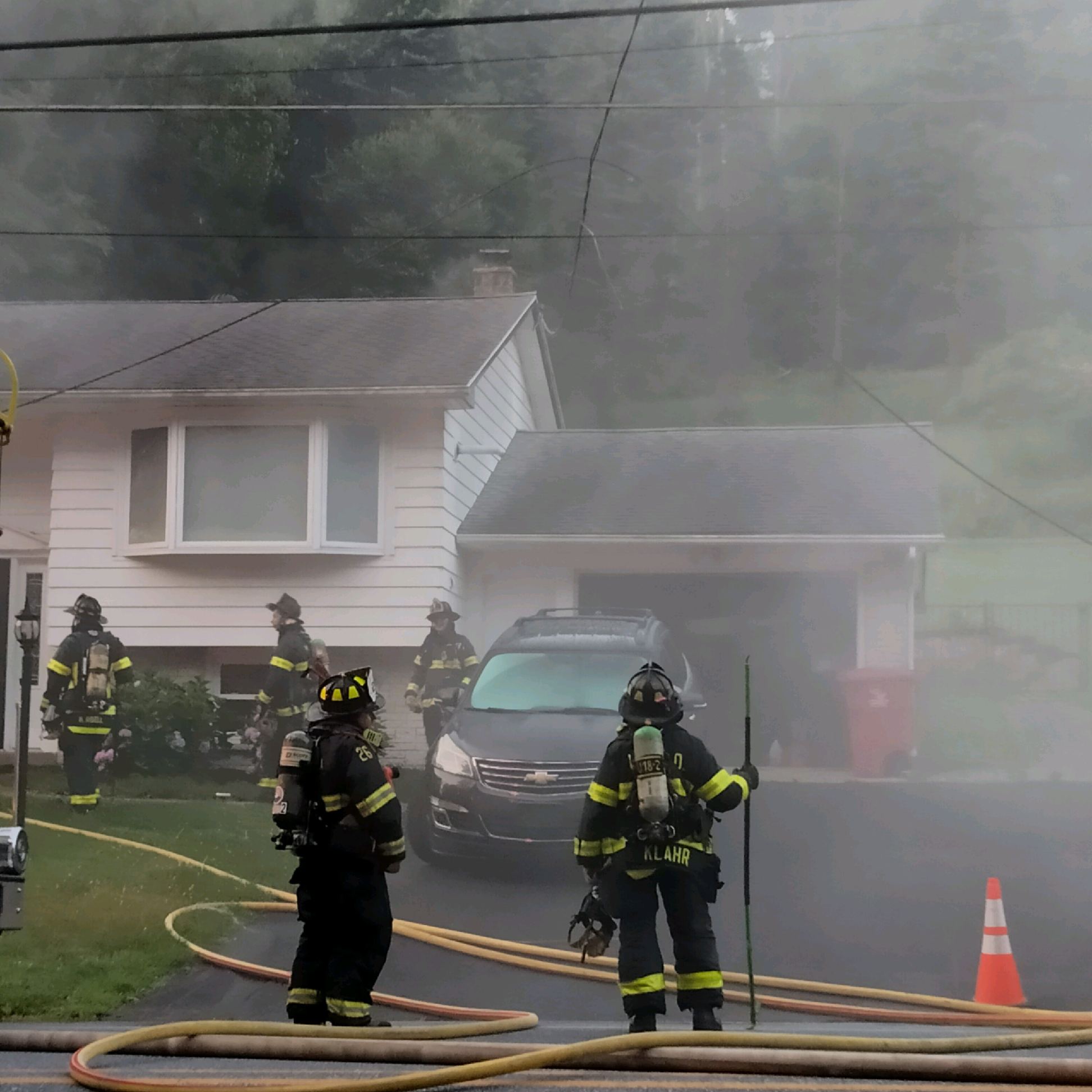
A fire is devastating for homes or businesses. We are a trusted resource for property owners who need help navigating stressful and challenging insurance claims.
Here’s what we do:
A house fire insurance claim can be overwhelming for property owners. You can hire a public adjuster to get expert help to settle your claim much faster than you will on your own.

In tough times, it’s important to have a knowledgeable person help you get the most compensation for your losses. This person can help you navigate the process and ensure you receive the highest amount possible.
Having St.Florian Claim & Restoration by your side can significantly affect the outcome of your situation. Our expertise can help you recover as much as possible from what you have lost. This is where the role of a public adjuster becomes indispensable.
A public adjuster helps policyholders with insurance claims by assessing and negotiating on their behalf. Unlike adjusters employed by insurance companies, public adjusters work exclusively for the property owner’s benefit.
Hiring a public adjuster is best for property owners dealing with a house fire insurance claim. They will take steps to improve your settlement outcome.

1. Ensuring Safety
Your first concern should always be the safety of yourself and your loved ones. Fires can damage your home’s structure, making it unsafe. Please let the professionals assess the situation.
2. Contacting Your Insurance Company
Once you’re safe, the next critical step is to contact your insurance company to begin your fire damage insurance claim.
We understand that dealing with a fire insurance claim can be daunting, but it’s necessary. Take photographs and videos to document the damage for your insurance claim. Save receipts for temporary housing and emergency repairs; insurance should pay for some of these expenses.
3. Contacting Public Adjuster
Right after you call your insurance company, it is crucial to start contacting your public adjuster, as he is the expert when dealing with insurance companies. And he is the one who will work for your benefits.
4. Securing Your Property
Returning to your damaged property can be heartbreaking, but it’s essential to secure it. Board up windows and doors to prevent further damage and unauthorized access. This will also help protect your belongings from looting, which can add to the distress.
5. Seeking Temporary Housing
If your home is no longer habitable, arrange for temporary housing. Your insurance policy may cover this expense, so don’t hesitate to check with your insurer. Keep records of your expenses for reimbursement, an important aspect of your house fire insurance payout.
6. Contacting a Restoration Professional
We understand that seeing the damage to your home can be overwhelming. That’s where professionals come in.
Hire a reputable fire damage restoration company. After evaluating the damage, they make a plan to fix it. Then, they start cleaning and repairing. This is important for your fire insurance claim.
7. Communicating Clearly
When the insurance adjuster assesses your property, be open and honest about the damage. Emphasize all areas of concern and provide any evidence you’ve gathered. Dealing with an insurance adjuster after a house fire is about clear and compassionate communication.
8. Not Settling for Less
Insurance adjusters may offer a settlement that is lower than you deserve initially. Be prepared to negotiate and provide additional evidence if necessary. Understanding the insurance claim for the fire damage process is your ticket to receiving a fair settlement.
