
Fires can leave behind more than just visible damage. Hidden fire damage poses serious risks to your home’s structure and your family’s health, often lingering undetected until it’s too late. From compromised electrical wiring to hidden smoke and soot residue, these issues can escalate quickly if ignored. Learning how to identify less obvious signs—like discoloration on walls or lingering odors—can save you from mounting repair costs and potential safety hazards. Early detection isn’t just smart—it’s essential for peace of mind and long-term protection.
Fire damage isn’t always obvious. While a charred wall or ceiling is a clear giveaway, some types of damage hide behind walls, under floors, or even within your appliances. These subtle signs can create ongoing problems for your home’s safety and comfort if left unchecked. Below, we’ll break down common indicators to help you uncover potential hidden fire damage before it turns into a larger issue.
Electrical systems can suffer significant damage during a fire, even if the damage isn’t immediately apparent. Keep an eye out for the following red flags:
Electrical damage isn’t something to delay addressing. Call an electrician if you notice any of these signs.
Fire can quietly weaken a home’s structure in ways that aren’t always visible at first glance. Some telltale clues include:
If you notice any structural changes in your home, it’s a good idea to have a professional inspection to assess the extent of the damage.
Your heating, ventilation, and air conditioning (HVAC) system can also be affected by hidden fire damage, leading to poor air quality and other complications. Here’s what to watch for:
To fully restore an affected HVAC system, professional cleaning may be necessary. Ignoring these issues could lead to bigger—and more expensive—problems.
Water isn’t something we usually associate with fire damage, but firefighters use a lot of it to extinguish flames, often causing secondary damage. Here are some signs this might be an issue:
Often, water damage overlaps with other issues like structural weakening, so it’s crucial to handle it promptly.
Even after a fire is out, smoke and soot can linger in the nooks and crannies of your home. Cleaning visible soot is one thing, but hidden residue can be harder to detect:
Smoke and soot particles can continue to harm your home’s air quality and surfaces over time, so be proactive in addressing them.
Hidden fire damage doesn’t just compromise your home—it can seriously affect your health as well. Long after the flames are gone, smoke, soot, and toxic residues may linger in your living spaces, exposing you and your family to harmful substances. Many people underestimate the impact these hidden hazards can have, but the health risks are real and often long-lasting. Below, we’ll highlight two key health concerns linked to hidden fire damage: respiratory issues and toxic material exposure.
Smoke and soot particles are more than just unpleasant—they’re dangerous. These tiny particles can remain suspended in the air or settle on surfaces, becoming a persistent source of contamination. When you inhale this fine particulate matter, it can penetrate deep into your lungs, causing irritation and inflammation. Even if you can’t see the smoke or soot, it could still be affecting the air quality in your home.
Here’s why it’s concerning:
Children, older adults, and those with pre-existing respiratory conditions are especially vulnerable. If your home has experienced fire damage, indoor air quality testing is a critical first step in safeguarding your health.
Fire damage often brings more than smoke and heat—it can release chemicals and toxins that are harmful to your health. Modern homes are filled with synthetic materials, plastics, and treated wood. When these burn, they produce toxic byproducts that can linger in your home long after the fire is extinguished.
Here’s what you should watch for:
To minimize these risks, it’s essential to have a professional assessment conducted after any fire incident. Don’t rely solely on visible cleanup—a deep evaluation of your home’s air quality and potential contaminants is necessary to fully address these hidden risks.
Hidden fire damage in your home isn’t always obvious, but its consequences can be significant. Fires can weaken electrical systems, undermine structural stability, and create conditions for mold growth—all of which may go unnoticed until the damage becomes severe. With some practical steps and keen observation, you can identify potential issues before bringing in professionals. Let’s break this down into key areas to inspect.
Fires often damage electrical systems, which can be challenging to detect without closer examination. Faulty or damaged wiring can become a hidden hazard, creating risks of shocks, outages, or even another fire.
Here’s what to check:
If you notice any of these signs, stop using the affected outlet or appliance and contact a licensed electrician to prevent further risks.
A fire’s heat can weaken the core structure of your home, even in areas where there’s no visible charring. Inspecting the stability of beams, walls, and floors is crucial to identifying hidden issues that could put your home at risk.
Safety first—if you suspect serious structural issues, avoid those areas of the home until an inspector confirms it’s safe.
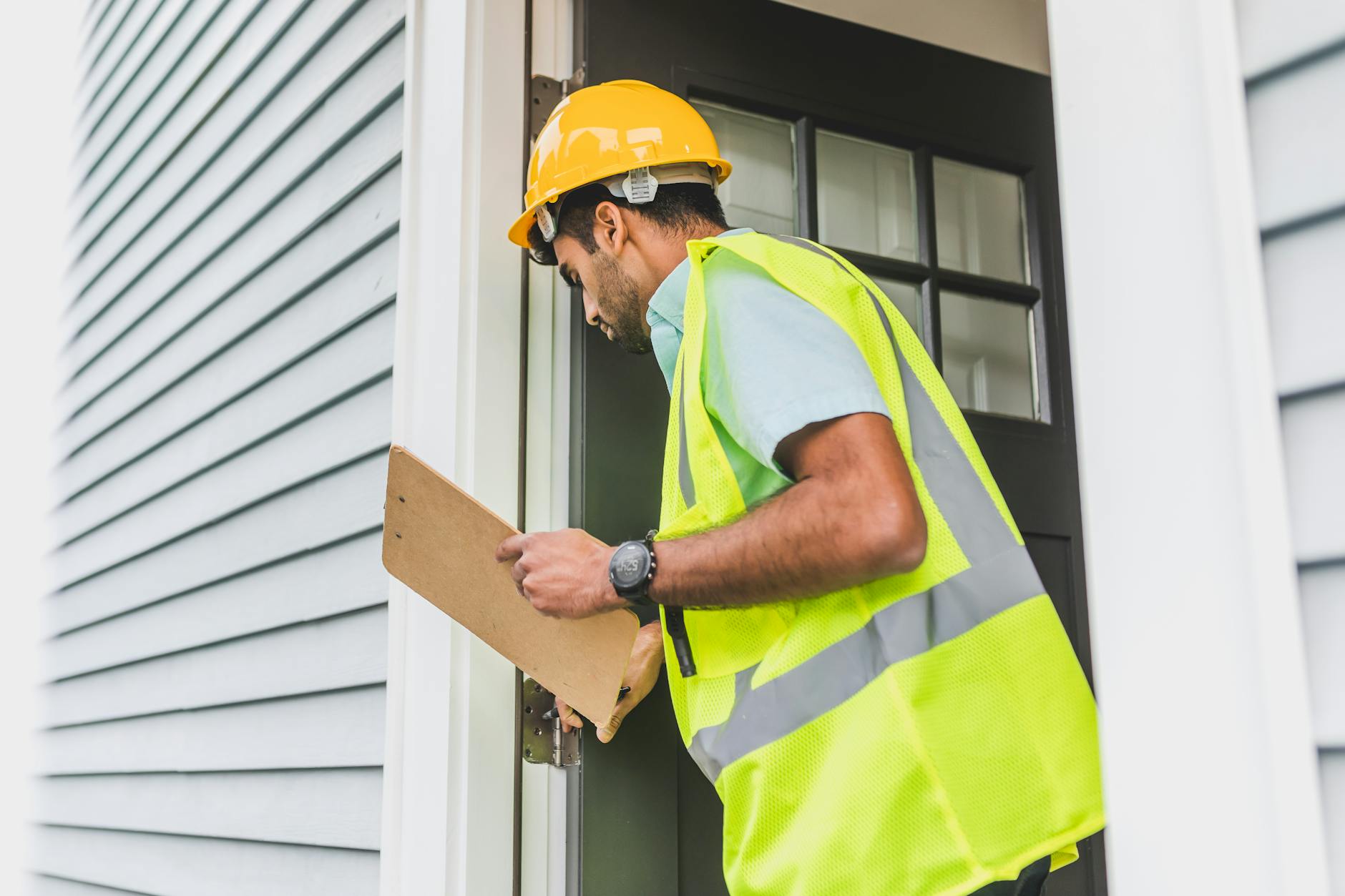 Photo by RDNE Stock project
Fire suppression efforts often involve water hoses or sprinkler systems, which can leave behind a mess long after the flames are gone. Lingering water can seep into walls, floors, and crawl spaces, creating the perfect environment for mold to grow.
What to look for:
Address water damage quickly by clearing out wet materials and running dehumidifiers. If mold is already present, tackle it with an antimicrobial cleaner—or call in experts for larger infestations.
Inspecting your home for hidden fire damage doesn’t require specialized tools, just a careful eye and a methodical approach. By examining these key areas, you can gain a better understanding of your home’s post-fire condition before bringing in professionals for a comprehensive evaluation.
When it comes to hidden fire damage, guessing isn’t an option. Damage concealed behind walls, under floors, or within HVAC systems requires expertise and specialized tools to identify and address accurately. This is where professional assessment becomes indispensable. Fire restoration specialists not only have the experience to spot what homeowners might miss, but they also ensure repairs are thorough, making your home safe and secure again. Below, we’ll explore what sets professional assessments apart and why they’re vital to uncovering every detail of fire-related damage.
A fire damage specialist is much more than just an inspector—they’re the first line of defense in protecting your home from unseen hazards. Hiring one means getting a detailed report that covers:
Specialists don’t just look for surface-level issues—they examine the hard-to-reach places that could harbor lingering damage, offering peace of mind and a path forward for restoration.
 Photo by Anna Shvets
Fire restoration experts use cutting-edge tools and in-depth techniques to locate damage that isn’t easy to spot. Unlike a quick visual check, their approach is data-driven and detailed. Here are some of the tools they rely on:
By combining these tools with their expertise, professionals can uncover damage that would otherwise remain invisible, preventing more costly issues down the road.
Ignoring hidden fire damage doesn’t just jeopardize safety—it could wreak havoc on your wallet. One missed issue could lead to escalating repair costs or even a second fire. Understanding the financial implications is crucial:
Investing in professional damage assessments upfront can save you thousands of dollars and unnecessary stress in the long run. The reassurance of knowing your home is fully repaired and safe ensures that skipping this step is not worth the risk.
Dealing with fire damage is already stressful, but hidden fire damage adds another layer of complexity. From wiring issues to structural problems, the costs for restoration can spiral quickly. While your homeowner’s insurance is there to help, navigating this process requires diligence. Below, we’ll discuss how to approach your claim, when to hire a public adjuster, and how to ensure compensation for necessary professional services.
When filing a claim for fire damage, accuracy and thoroughness are crucial—especially for hidden damages. Your insurer’s goal is to settle claims efficiently, but sometimes this can mean underestimating the extent of your losses. Be prepared to advocate for a complete assessment of your home.
Here’s how to ensure a smoother claims process:
Remember, your policy might not automatically cover every type of damage. Hidden issues like mold from water damage or compromised HVAC systems may need additional documentation to prove their connection to the fire.
 Photo by Oscar Sánchez
If you feel overwhelmed by the claims process—or suspect your insurer isn’t acknowledging the full extent of your damages—hiring a public adjuster can be a smart move. But what does a public adjuster do, and when should you bring one into the fold?
Keep in mind that public adjusters typically charge a percentage of your final insurance payout, but the additional compensation they secure can far outweigh their fees.
Restoring fire-damaged properties often requires specialized skillsets—structural engineers, electricians, mold remediation experts, and fire restoration specialists. Good news: most homeowner’s insurance policies cover these professional services as part of the claim, provided you can demonstrate their necessity.
Here’s how to maximize your reimbursement:
Being thorough with professional documentation not only ensures repair costs are covered but also protects you from out-of-pocket expenses for hidden damage you might otherwise miss.
Addressing hidden fire damage is a critical step to restoring your home’s safety and ensuring peace of mind. While visible damage like charred walls or destroyed belongings is evident, the real danger often lies in concealed areas—wiring within walls, structural elements, or air systems contaminated by smoke and soot. Tackling these issues requires a combination of safety precautions, professional assistance, and quick, preventive measures.
Before dealing with any fire-damaged areas, your safety should always come first. Fire-damaged homes often harbor hidden dangers like unstable structures, exposed wires, and lingering harmful chemicals.
Follow these essential safety tips:
Taking these precautions ensures you avoid immediate hazards while assessing the damage.
Dealing with fire damage isn’t a DIY job—it requires expertise and specialized tools that only qualified professionals can provide. Restoration experts can identify damage that is often missed during initial inspections.
Here’s why hiring professionals matters:
When choosing restoration services, look for businesses with certifications in fire and water damage restoration. Read reviews and ask for a breakdown of their processes before agreeing to begin work.
Once it’s safe to assess your home, take immediate steps to prevent the damage from worsening before restorers arrive. Remember, prompt action can save you from additional costly repairs.
Acting fast and prioritizing these steps minimizes potential escalation of damage while laying the groundwork for effective repairs.
 Photo by Francesco Sommacal
Taking swift, strategic action combined with professional guidance will help you regain control and restore your home from the effects of fire.
Spotting hidden fire damage early is crucial for protecting your home’s safety and your family’s well-being. From compromised structures to air quality concerns, these issues are often more severe than they seem on the surface. By staying vigilant about warning signs and acting quickly, you can prevent further risks and costly repairs.
If you’ve noticed anything unusual, such as persistent odors, discoloration, or electrical problems, don’t wait to seek professional help. A thorough inspection by experts ensures that no hidden damage is overlooked, giving you peace of mind.
Your home and health are worth the investment. Take the first step today to address any fire damage concerns and keep your space secure for years to come. Have questions or experiences to share? Let us know—we’d love to hear from you!
